Longer hot-water use.
Tankless can keep heating through extended use, within its capacity. Overlapping fixtures and the required temperature rise determine the right size.

Thinking of making the switch?
A tank-to-tankless conversion starts with your existing home. We assess what can stay, what needs changing, and whether the result will suit your hot water needs.
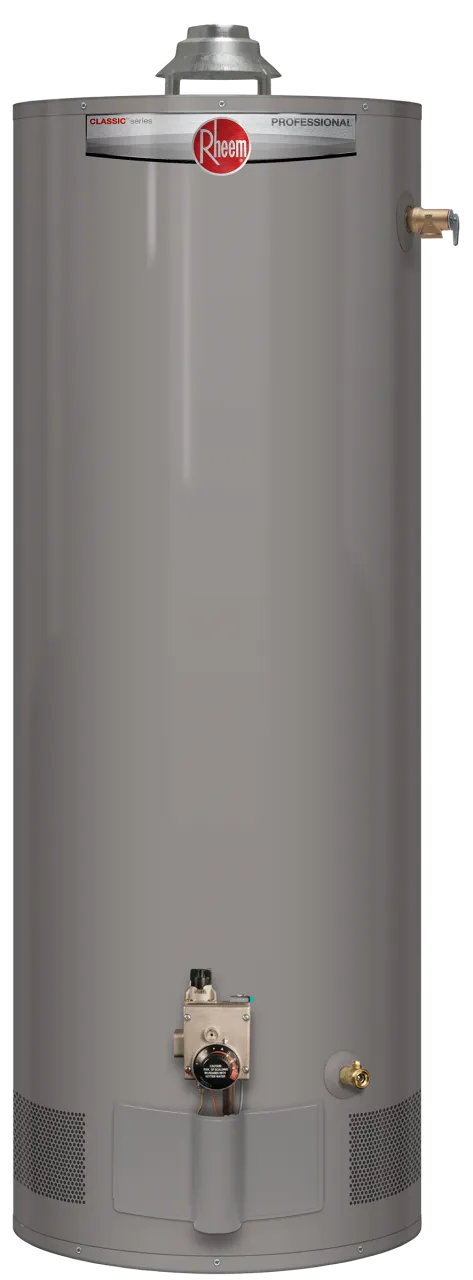
A storage system to assess.
Demand · Supply · Venting
Placement · Drainage · Controls
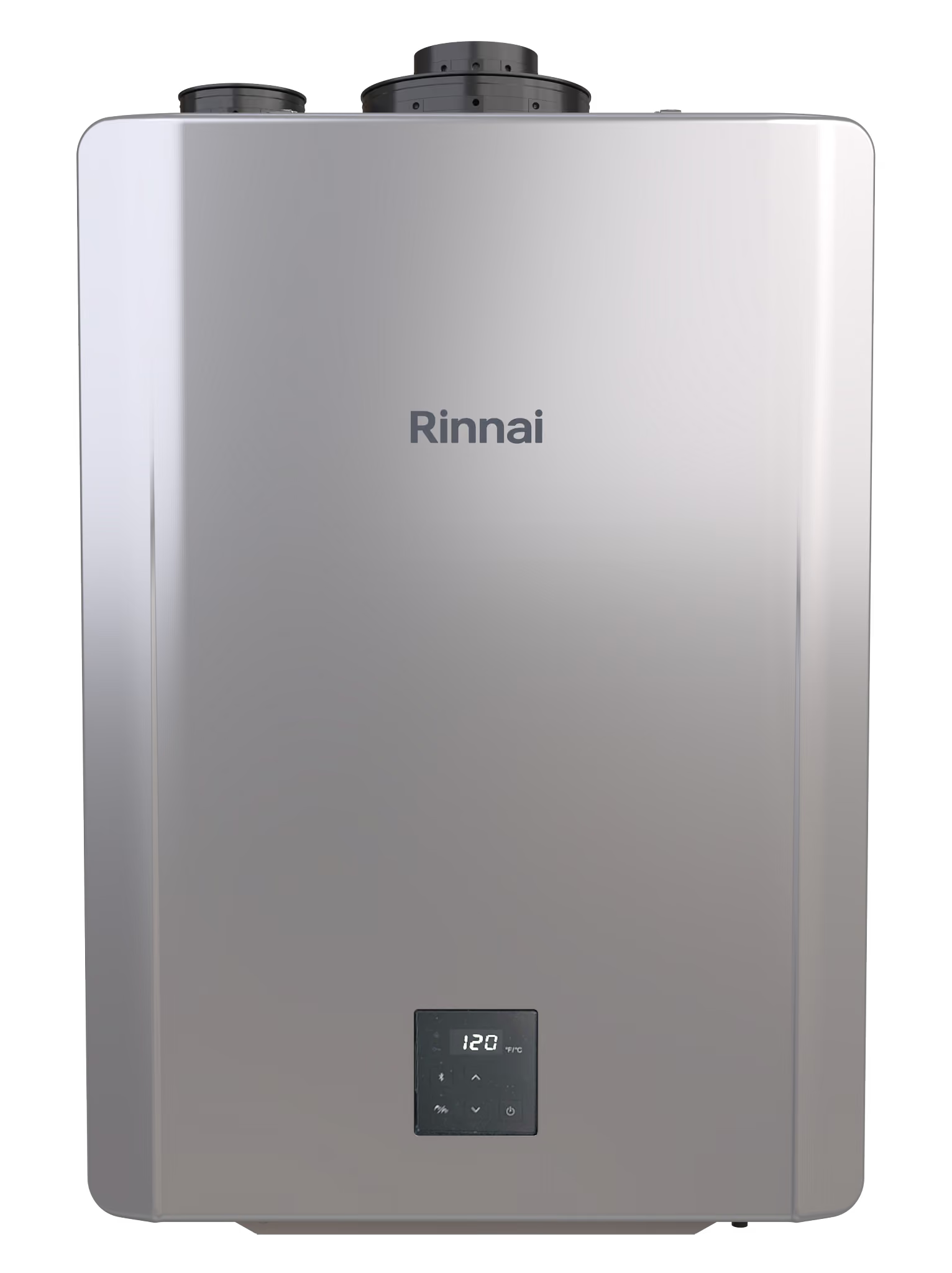
A suitably sized tankless system.
Existing connections are a starting point. Their condition, capacity, and compatibility with the selected equipment determine what can be reused.
Ask the assessment to separate connections that can stay from required upgrades. That makes it easier to understand the quote and compare conversion with a suitable tank replacement.
The selected equipment needs suitable power. A gas unit’s electrical needs differ from whole-home electric tankless, so the assessment identifies any required circuit or service work.
The existing vent route is part of the assessment. A new gas model may require different vent materials, routing, termination, or combustion-air arrangements.
The same general area may work, but wall mounting, clearances, exposure, and future maintenance access all need consideration. A new location can change the scope.
A condensing tankless model needs a suitable condensate route. We check whether an existing route is usable and what provisions the selected equipment and site require.
We consider compatible existing controls and any circulation setup. Pumps, controls, and optional connected features may require different or additional hardware.
Tankless can keep heating through extended use, within its capacity. Overlapping fixtures and the required temperature rise determine the right size.
Wall mounting may free up space. The installation still needs proper clearances and access, and the chosen location affects the work.
The distance through the pipes matters. A suitable recirculation design may help; changing the heater alone does not guarantee instant hot water.
The published Hot Water Guys tankless installation/conversion planning range is $4,200–$8,000. Equipment, access, and required changes determine the quote for your home.
A phone estimate starts the conversation. The site assessment should establish the work and final quote before the installation is scheduled.
A conversion can involve more work than a straightforward tank replacement. The home’s access, selected location, and required changes affect the schedule.
Before the date is agreed, confirm how the team will access the work area, the expected water-service interruption, and what happens if additional work is identified. After installation, expect performance checks, a controls walkthrough, and care documentation.
Already have a tankless heater? Start with an assessment of the existing unit. This page focuses on changing from storage to tankless.
Connections, disruption, performance, and alternatives.
Some parts of the existing installation may be suitable, but reuse must be assessed. Gas or electrical capacity, venting, water connections, location and drainage can change with the new model. Ask the written scope to identify what stays, what changes and why.
A conversion can involve more work than a like-for-like tank replacement. Access, location and required upgrades affect the schedule and interruption. Confirm the expected work, water-service interruption and commissioning plan with the team before the installation date; no universal duration is established here.
The cause matters. Sizing addresses simultaneous demand; pipe distance and suitable recirculation design affect waiting at a tap. Tankless can heat during extended use within its capacity, but changing the heater alone does not guarantee instant water at every fixture or unlimited simultaneous delivery.
Compare the diagnosed problem, current unit condition, household demand and itemized options. Hot Water Guys offers tank replacement and repair as well as tankless installation. Conversion is one option, not the default; expected running costs and maintenance depend on the actual system and use.
Tell us about the current heater and what you want to change. We’ll help you understand whether conversion fits—and the work it would involve.