Demand and temperature rise
We look at the hot-water uses that overlap and how much the incoming water needs to be heated. That helps us select capacity for busy periods and colder inlet conditions.

Tankless installation for your Houston home, from estimate to walkthrough.
Match the heater’s capacity to your routine, and plan the installation work around your home.
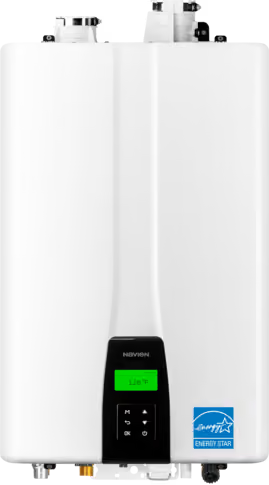
The right unit starts with a look at your home. These are the questions the assessment needs to resolve.
We look at the hot-water uses that overlap and how much the incoming water needs to be heated. That helps us select capacity for busy periods and colder inlet conditions.
We check whether your home’s gas or electrical service can support the chosen equipment. Any required changes should be identified before you agree to the installation.
We consider where the heater can go, the space it needs around it, and access for future maintenance. A smaller unit still needs a suitable installation location.
Gas models need suitable venting, and condensing units also need a drainage route. We identify the work required for the model and location you are considering.
We discuss where you wait for hot water and whether recirculation could help. The pipe layout, pump, and controls all matter when planning faster delivery.
Your quote identifies the selected equipment and agreed work. After installation, we check performance, explain the controls, and review the care instructions with you.
A shower, the kitchen, and the laundry can overlap.
Tankless heats water as it flows and can keep heating through extended use, within its capacity. The unit must meet the combined hot-water flow at the temperature rise your home needs. A bathroom count or the biggest GPM number on a brochure cannot tell the whole story.
Tell us when your current setup falls short. Long draws, several fixtures running together, and waiting for hot water to reach a tap are different issues—and may need different solutions.
Gas and electric families have different installation requirements. These examples show two of the directions worth discussing.
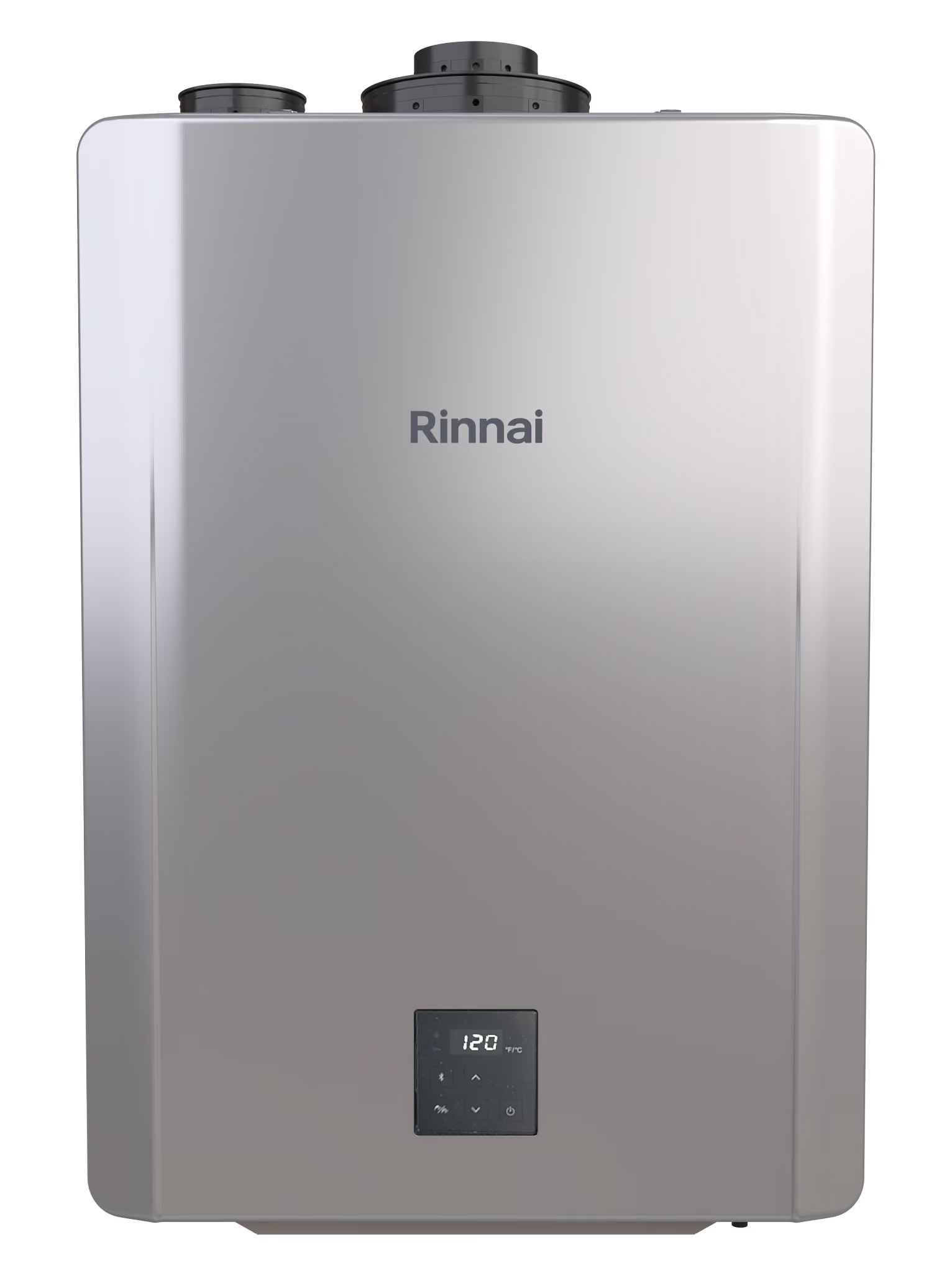
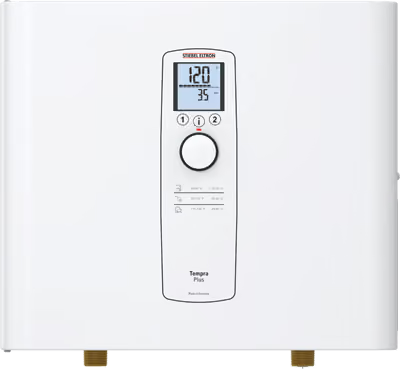

Share the existing heater, fuel, hot-water use and goals to start an estimate.
A site assessment checks demand, available services and installation conditions before the final scope and quote.
Agree the equipment, included work and installation date; confirm access and the expected interruption with the team.
Check operation, explain controls and review maintenance and applicable warranty documentation.
The first conversation starts the estimate. A site visit establishes the equipment and required work before the final quote and installation date.
Published Hot Water Guys tankless equipment-and-installation planning range. Model, location, access, and required connection or venting work affect your quote.
Ask which equipment, accessories, removal, approvals, testing, and documentation are included. The range is not an automatic price for every home or fuel type.
Four useful questions about sizing, fuel, budget, and the handover.
Start with the hot-water uses that can overlap, then match the manufacturer’s output at the required temperature rise. The number of bathrooms or a headline maximum GPM is not enough. The assessment should account for colder inlet conditions and the home’s available fuel or electrical capacity.
Compare the home’s existing services, available capacity and peak hot-water demand. Gas equipment has combustion-air and venting requirements; electric tankless has its own electrical-service requirements. A suitable choice needs a site assessment, not a brand-only recommendation.
Hot Water Guys’ dedicated installation page publishes $4,200–$8,000 including equipment and installation. Treat that as a planning range. The selected model, location and required gas, electrical, water-line, venting or drainage work determine the quote; it is not an automatic price for every fuel type or home.
The installation service describes performance checks, a controls walkthrough and warranty documentation. Ask for the selected model’s maintenance plan and records. Water conditions and use affect service needs, and warranty coverage follows the manufacturer’s terms rather than a general lifespan promise.
Share what you have now and what you’d like to improve. We’ll help you plan a tankless installation with the right scope for your home.